
Your Guide to Daily Living Aids in St Petersburg

Think about all the little tasks you do around the [...]
Think about all the little tasks you do around the house every day. Now, imagine having the perfect tool to make any of those tasks that have become difficult feel simple and safe again. That's exactly what daily living aids are designed for. They aren't just pieces of equipment; they're powerful enablers of independence that bring safety, comfort, and confidence back into your home.
What Are Daily Living Aids and Why They Matter
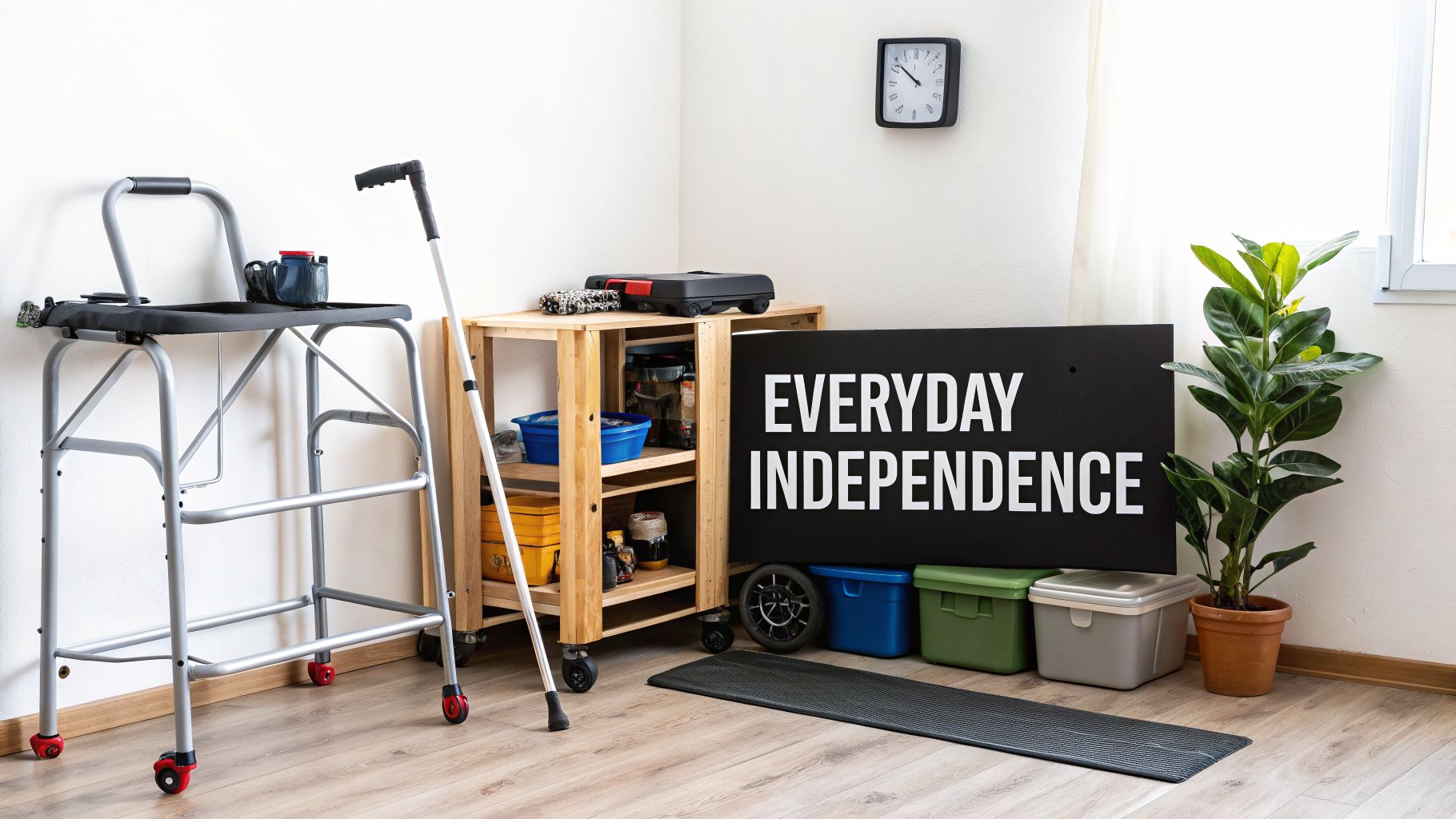
It helps to think of your home as a personal workshop. To get things done well—and safely—you need the right set of tools. Daily living aids work just like that, providing the specific support you need to handle everyday activities that might have become challenging due to an injury, a health condition, or simply the natural process of aging.
These aids span a huge range, from wonderfully simple gadgets to more sophisticated equipment. But no matter the device, the goal is always the same: to bridge the gap between what a person wants to do and what they can currently do safely on their own.
The Purpose of Daily Living Aids
At their heart, these aids are all about personal freedom. They give people the power to manage essential self-care and household tasks, which in turn reduces their reliance on others and fosters a powerful sense of self-sufficiency. This can be a game-changer for someone recovering from surgery, managing a chronic condition, or adapting to the changes that come with getting older.
The benefits are immediate and tangible:
- Increased Safety: These tools are engineered to prevent common household accidents, like falls in the bathroom or slips while cooking.
- Greater Independence: From reaching something on a high shelf to standing up from a favorite armchair, these aids make it possible to handle tasks without needing help.
- Improved Comfort: Aids like lift chairs or special cushions can significantly reduce pain and physical strain during daily routines.
- Enhanced Confidence: Being able to manage your own day-to-day life is a huge boost to self-esteem and brings peace of mind to you and your family.
Common Categories of Aids
While the variety of products is immense, most daily living aids fall into a few key categories. Each one is designed to address specific areas of life where a little extra support can make a big difference.
A common misconception is that needing an aid is a sign of weakness. The truth is, using a daily living aid is a smart, proactive step toward preserving your strength, safety, and quality of life. It’s about working smarter, not harder, to stay independent.
It's no surprise that the global market for this kind of assistive technology is growing so quickly. Valued at USD 25.34 billion in 2025, it’s projected to reach USD 35.66 billion by 2032. This isn't just a statistic; it shows how essential devices like grab bars, walkers, and wheelchairs are for helping people—especially older adults right here in communities like St. Petersburg—live independently at home. You can discover more about these market trends and their impact on daily life.
These tools are definitely not a one-size-fits-all solution. Finding the right aid is a personal process that depends on your specific needs, your home environment, and what you want to achieve. Whether it’s something as simple as a sock aid or as mobile as a scooter, each product has a unique role to play in making your life more secure and manageable.
Regaining Freedom with Essential Mobility Aids
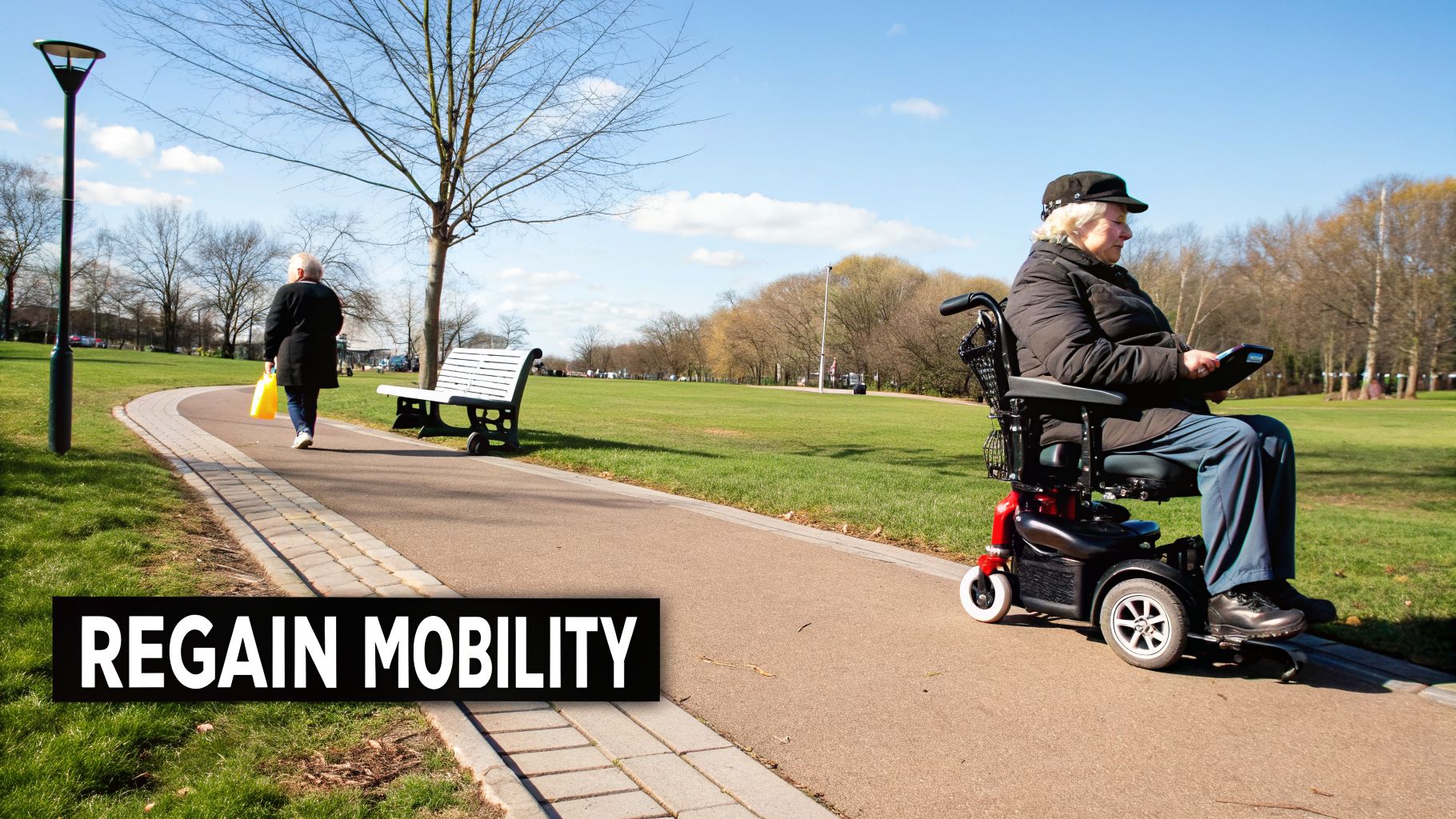
When you can move through your home and community with confidence, that’s real independence. Essential mobility aids are the very tools that make this freedom a reality, helping restore that confidence one step at a time. I’ve seen it countless times—these devices are so much more than just equipment. They’re keys to unlocking a more active, engaged, and fulfilling life.
This category of daily living aids covers everything from a simple cane to an advanced mobility scooter. Each one is designed to solve a different set of challenges. Figuring out which one is right for you or someone you care for starts with understanding what they can do in the real world.
Matching The Aid To The Need
The best mobility aid is always the one that fits your actual lifestyle and physical needs. What works great for getting around the house might not be the right choice for a day out at St. Pete’s beautiful waterfront parks. It's all about matching the tool to the task.
Here's how I usually break it down for people:
- Canes and Walkers: These are your go-to options for someone who just needs a bit of extra stability while walking. A cane is perfect for minor balance issues. A walker, on the other hand, offers a much more robust frame for those who need to lean on it for support as they move.
- Transport Chairs: Think of a transport chair as the perfect companion for errands or appointments. Because they’re lightweight, foldable, and designed to be pushed by a caregiver, they make getting from the car to the doctor’s office completely hassle-free.
- Wheelchairs: When someone needs to self-propel or requires more seating support for longer stretches, a manual or power wheelchair is the answer. It provides a much greater level of comfort and personal independence.
- Mobility Scooters: For those who want the freedom to cover more ground on their own, a scooter is an incredible tool. It lets you explore the neighborhood, visit local shops, or just enjoy a sunny day outdoors without having to rely on anyone else.
The Critical Importance Of A Proper Fit
Choosing a mobility aid isn’t like grabbing something off a shelf at a big-box store. Getting the fit just right is absolutely non-negotiable for both safety and comfort. I’ve seen it happen—an improperly sized walker can force you into a bad posture, which can cause back pain and, even worse, increase the risk of a fall.
Getting expert advice is not just a recommendation—it's an essential part of the process. A professional can assess your posture, strength, and balance to ensure the aid is adjusted to your exact height and needs, maximizing its effectiveness and your safety.
This is exactly why working with a local provider makes such a difference. The market for senior mobility aids is huge, topping USD 10.4 billion globally in 2024 and projected to nearly double by 2034. This boom is fueled by a growing senior population and an increase in chronic conditions that impact balance. That’s why these daily living aids are so vital for preventing falls.
Interestingly, brick-and-mortar stores still command a major share of this market. Why? Because they offer the hands-on, in-person guidance you need to get the right fit. It's a decision that really benefits from expert input.
Exploring Your Options For Independence
Understanding what’s out there empowers you to find a solution that doesn't just restore movement, but also gives you back a sense of control over your day. For instance, if you're dreaming of a trip to the Sunken Gardens or a breezy stroll along the St. Pete Pier, a scooter could be the perfect key to making that happen.
If that sounds like you, check out our detailed look at mobility scooters for sale and rent in St. Petersburg. Renting can be a fantastic way to try a scooter out, or for short-term situations like when family is visiting from out of town. The right mobility aid can truly turn a daily challenge into a brand-new opportunity for adventure.
Creating a Safer Bathroom with Safety and Transfer Aids
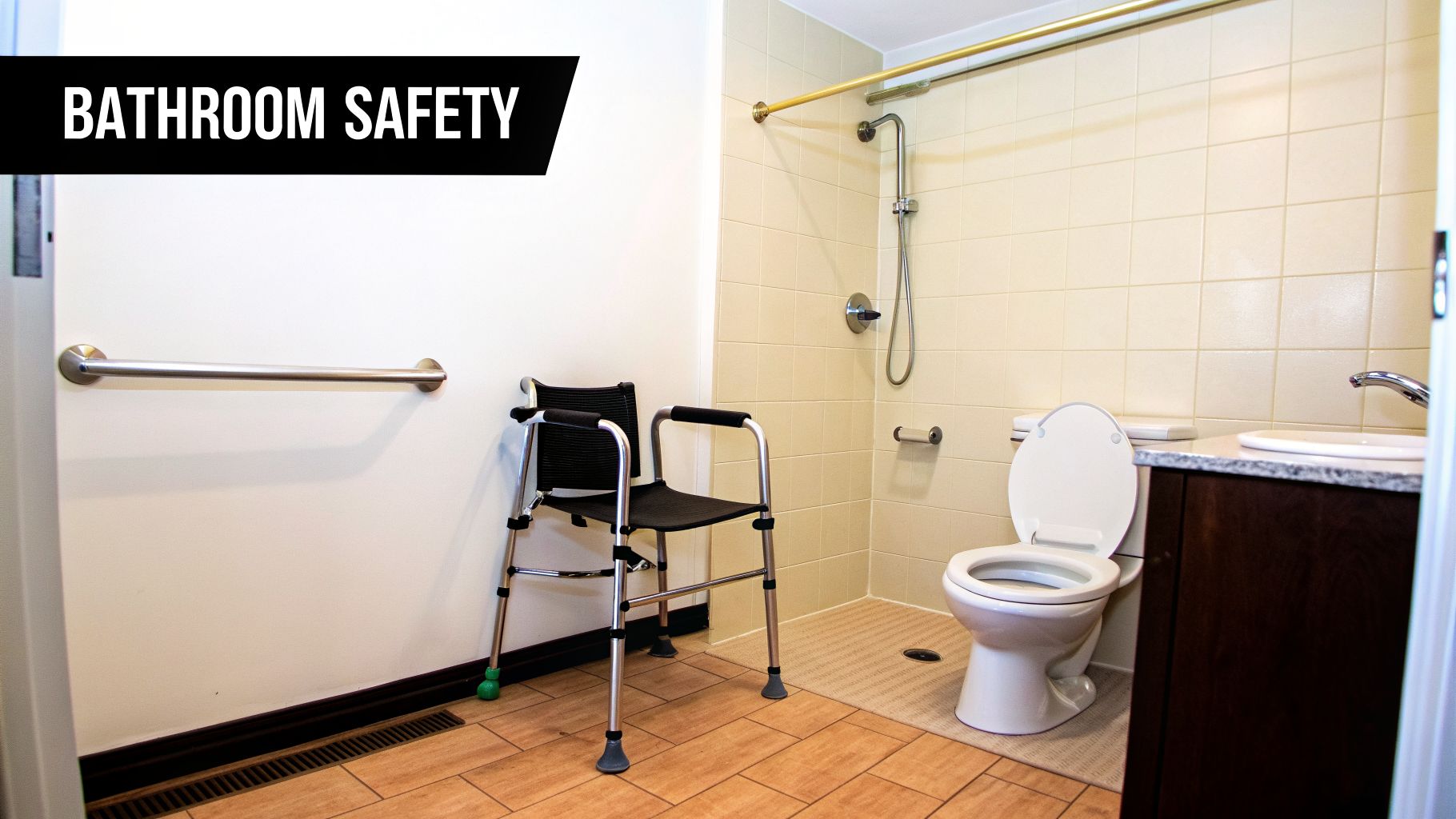
Let's be honest—the bathroom can be a hazardous place. It’s a mix of hard surfaces, water, and constant movement, which is a recipe for risk. But with the right daily living aids, you can transform it from a source of worry into a space that fosters confidence. Adding some key equipment isn’t about giving up independence; it’s about holding onto it more securely.
Think of it as creating a dedicated "safety zone." By adding a few simple supports at critical points, you can dramatically cut down the risk of a slip or fall. These aids allow for private, independent personal care, giving you peace of mind where you need it most.
Building A Secure Foundation With Bath Safety Aids
In the bathroom, the main goals are staying stable on wet surfaces and saving energy during hygiene routines. This is exactly what specialized bath safety equipment is designed to do, turning potential danger spots into points of support.
These tools are thoughtfully designed to solve the most common bathroom challenges:
- Shower Chairs: A shower chair offers a secure place to sit, which is a simple but incredibly effective way to prevent falls. It allows you to bathe in comfort without the fatigue and balance issues that come with standing on a wet surface for a long time.
- Grab Bars: Forget about relying on a towel rack. Professionally installed grab bars are the anchors of a safe bathroom, built to support a person's full body weight. They offer a solid handhold when stepping into the tub or simply moving around the room.
- Raised Toilet Seats: For anyone with hip or knee pain, or who finds it tough to bend low, a raised toilet seat is a game-changer. It shortens the distance you have to lower yourself, taking a huge amount of strain off your joints.
- Transfer Benches: These brilliant devices bridge the gap between the outside and inside of a bathtub, so you don't have to step over that high tub wall. You just sit on the edge, swing your legs over, and slide into the shower—a seamless and much safer way to get in and out.
Empowering Movement With Transfer Aids
Beyond the shower and toilet, just getting up from a chair can be a daily struggle that puts strain on both you and your caregiver. Transfer aids are built specifically to make that sit-to-stand motion easier and safer. A perfect example is a lift chair, which gently rises to help you stand up with minimal effort.
Of course, a truly safe home involves more than just equipment. It’s about creating a comprehensive strategy that might include physical therapy for fall prevention. Combining your own physical strength with a supportive environment creates the strongest safety net possible.
The real power of these aids lies in how they work together. A grab bar helps you steady yourself to sit on a transfer bench, which lets you safely enter the shower to use your shower chair. Each device supports the next, creating an interconnected system of safety.
This growing focus on home safety is a huge part of why the market for these devices is expanding. Daily living aids are part of a market valued at USD 16.96 billion in 2024, and it's expected to climb to USD 27.29 billion by 2030. With a strong preference for aging in place, home care settings now make up over 41% of the revenue for disability aids, as folks in communities like St. Petersburg and Seminole look for local ways to stay independent.
For those who need a bit of help moving around other parts of the house, understanding your mobility options is a great next step. The stability you get from bathroom aids perfectly complements the freedom that other equipment provides. You might find our guide on renting or buying wheelchairs in St. Petersburg, FL helpful.
Understanding Home Respiratory Equipment
Breathing is one of those things most of us never think about—until we can't do it easily. For anyone living with a condition like COPD or sleep apnea, every breath can feel like a conscious effort. This is where specialized daily living aids can completely change the game, helping you move from a place of worry to one of confidence.
These aren't just complicated machines; they're tools that give you back control. With a little guidance from an expert, home respiratory equipment can fit right into your daily life, making it possible to live more actively and, most importantly, breathe a whole lot easier.
What Does Home Respiratory Equipment Do?
At its heart, home respiratory equipment helps you manage conditions that make breathing difficult. The two main players you'll hear about are oxygen concentrators and CPAP machines. They tackle different problems but share the same ultimate goal: making your life better.
-
Oxygen Concentrators: These are for people whose bodies struggle to get enough oxygen from the air they breathe. Instead of relying on old-school tanks, a concentrator is a smart device that pulls in regular room air, filters out the nitrogen, and delivers a steady supply of purified oxygen.
-
CPAP Machines: CPAP is short for Continuous Positive Airway Pressure. It’s the go-to solution for obstructive sleep apnea, a frustrating condition where the airway collapses over and over again during sleep. A CPAP machine gently sends a constant stream of air through a mask, which acts as a splint to keep the airway open all night long. The result? Deep, restorative sleep without interruption.
The point of this equipment isn't to add another complication to your life. It's to take one away by managing your symptoms. Think of an oxygen concentrator as giving your body the high-quality fuel it's missing, while a CPAP machine is like a gentle, supportive hand that ensures you get the rest you desperately need.
Choosing The Right Type Of Oxygen Support
When it comes to oxygen, you have options based on your lifestyle. Oxygen concentrators are generally split into two categories.
A stationary oxygen concentrator is the workhorse of the two. It's a larger unit that plugs into the wall and is designed for reliable, around-the-clock use at home. It’s perfect for when you’re resting, watching TV, or sleeping.
On the other hand, a portable oxygen concentrator is your key to freedom. These units are compact, lightweight, and run on batteries, so you can take them with you anywhere. Whether you're heading to a doctor's appointment, meeting friends for lunch, or just enjoying a walk in the park, a portable unit means your health never has to hold you back. For a deeper dive, check out our guide on St. Petersburg oxygen concentrators sales and rentals.
Navigating Costs And Your Options
Figuring out how to pay for essential equipment is, understandably, a top concern for many families. It's important for you to know that we are a private-pay provider, which means we don't bill insurance directly for our products and services.
We chose this model to give you clear, upfront pricing and immediate access to equipment without the long waits and red tape that often come with insurance approvals. This setup allows you to rent or buy the daily living aids you need right when you need them. You get full control over your healthcare choices and your budget, with no hidden fees or confusing paperwork to worry about.
How To Choose The Right Daily Living Aids
Figuring out the right daily living aid for yourself or a loved one is a big deal. It's a decision that directly affects safety, comfort, and of course, your wallet. This guide is here to walk you through the process, step by step, so you can feel confident you're making the right choice for your life here in the St. Petersburg area.
It all starts with taking a good, honest look at the specific situation. It’s not enough to say, "I have trouble walking." We need to dig a little deeper. Is it just during long walks at the park, or is the short trip from the couch to the kitchen becoming a challenge?
Assess Your Unique Needs First
Before you even start looking at equipment, the first step is always a personal assessment. Nothing beats a professional consultation with a doctor or physical therapist. They have the clinical expertise to recommend what's both necessary and, most importantly, safe for you.
Once you’ve spoken with a professional, it's time to ask some practical questions about daily life:
- What specific task is causing trouble? Be specific. Is it getting up from a low sofa? Stepping safely into the shower? Standing long enough to cook a meal?
- Where does the problem happen? Pinpoint the exact spots in your home. Maybe it's a narrow hallway that’s tough to navigate, or a slippery tile floor in the bathroom.
- What are your physical abilities right now? Honesty is key here. Think about your current strength, balance, and how quickly you get tired.
Don't forget the tape measure! A wheelchair is only a great solution if it actually fits through your doorways. A walker needs enough space to turn around in the kitchen without bumping into everything. Taking a few simple measurements upfront can save you a world of frustration.
Renting vs. Buying A Daily Living Aid
This is one of the biggest questions we get: should you rent or buy? There isn't a single "right" answer. It really comes down to your timeline and how you'll be using the equipment.
Renting is a fantastic, flexible option for any short-term need. It’s often the smartest move financially when you know you only need support for a limited time.
Here are a few common situations where renting just makes sense:
- Post-Surgery Recovery: After a hip or knee replacement, you might only need a walker or bath bench for a few weeks while you heal.
- Visiting Family: Have a relative with mobility issues coming to town? Renting a transport chair or a temporary ramp makes their visit much easier and safer.
- Trying Before Buying: You think a mobility scooter could be a game-changer, but you're not 100% sure. Renting one for a week lets you give it a real-world test drive.
On the flip side, buying a daily living aid is usually the better long-term investment for chronic conditions or permanent needs. If you’re managing an ongoing illness or a lasting mobility limitation, owning your equipment means it's always there, ready, and set up just for you. Over the course of many months or years, buying is almost always more cost-effective.
Making The Final Financial Decision
We know that navigating the cost of medical equipment is a major factor for every family. To keep things simple and direct, we are a private-pay provider and do not take insurance. This approach lets us offer clear, upfront pricing without the delays, paperwork, and restrictions that often come with insurance claims.
Our model means you can get the equipment you need right away, whether you decide to rent or buy. For more information and tips on all kinds of home medical equipment topics, feel free to explore our blog and news updates.
Improving comfort isn't just about mobility; it's also about preventing strain in your daily activities. For instance, understanding the principles behind supportive seating can be incredibly helpful. This article on finding the best ergonomic office chairs has great insights that apply to choosing supportive seating for any task at home or work.
This simple decision tree can help guide you through common respiratory concerns.
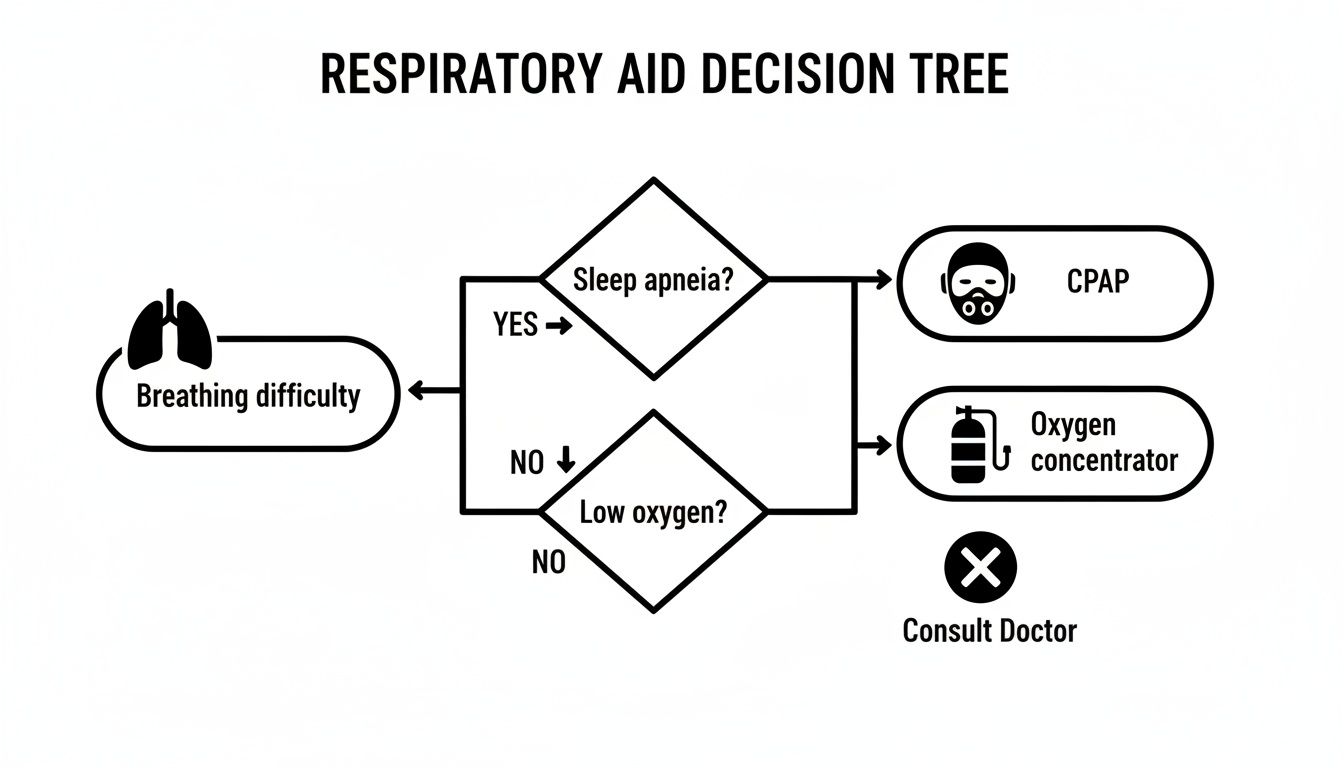
As the chart shows, different symptoms—like those related to sleep apnea versus consistently low oxygen levels—point toward very different solutions, such as a CPAP machine or an oxygen concentrator.
Your Questions About Daily Living Aids Answered
When you start looking into daily living aids, it's natural to have a lot of questions. We've been helping folks in this community for a long time, and we've heard just about all of them. Here are some of the most common things people ask, with straight-to-the-point answers to help guide you.
Do I Need A Prescription For Medical Equipment?
This is probably the most frequent question we get, and the answer is: it depends. For more complex medical devices, especially respiratory equipment like oxygen concentrators, a doctor's prescription is absolutely necessary.
However, for most of the daily living aids that help with safety and getting around, you don't need one. Things like walkers, canes, bath chairs, and even our popular lift chairs can usually be purchased directly. The best bet is always to chat with a knowledgeable local supplier. We can tell you exactly what's needed for any item you're looking at.
How Do I Know If An Aid Is The Right Size?
Getting the size wrong isn't just a matter of comfort—it can be a real safety hazard. There’s no such thing as "one-size-fits-all" when it comes to mobility aids. A walker, transport chair, or wheelchair has to be fitted to your body to provide the right support and posture.
The only way to get it right is to work with someone who knows what they're doing. An experienced professional can take precise measurements and adjust the equipment to your height and specific needs. This fitting process is what makes an aid truly effective and safe, so you can get the full benefit from it.
One of the most important aspects of choosing daily living aids is ensuring a proper fit, but another is understanding your payment options. It's crucial to be aware that we are a private-pay provider. This means we do not accept or process claims through insurance.
We chose this direct-pay model to keep things simple and transparent for you. It means we can offer upfront pricing and get you the equipment you need right away, without the long delays and frustrating paperwork that often come with insurance approvals. You stay in control of your healthcare budget and decisions, getting the support you need without any hidden costs or runaround.
Can I Get Equipment The Same Day?
Life is unpredictable, and sometimes a need pops up without any warning. When you suddenly need a hospital bed, wheelchair, or a critical bath safety item, waiting isn't an option. The key is to find a local supplier who keeps a large inventory on hand.
Luckily, we understand this urgency. Here in Pinellas County, we offer same-day pickup for many of our most essential items. This is a lifeline for people who find themselves in a tough spot and need an immediate solution.
What If I Only Need Equipment For A Short Time?
Buying isn't always the best or most affordable choice. Maybe you're recovering from surgery, have a relative visiting who needs a bit of help, or just want to try out a piece of equipment before you commit.
Renting is a fantastic, flexible alternative. We have a well-established rental program with daily, weekly, and monthly rates. This lets you rent mobility scooters, wheelchairs, hospital beds, and more for the exact amount of time you need them, giving you the right support without the long-term cost.
For even more answers to your questions, you can review our detailed FAQ page for further information.
At Affinity Home Medical Equipment, we're here to help the residents of St. Petersburg and Pinellas County find the high-quality daily living aids they need to live with confidence and independence. Whether you need to rent for a weekend or purchase for the long haul, our team is ready to assist. Check out our wide selection of in-stock equipment online or stop by the store today.
Share This Article

Written by : lori@netcodesign.com
Follow Us
Latest Articles

October 13, 2026

October 13, 2026

October 13, 2026
