
What Is A Bariatric Wheelchair And Who Needs One?

When you're looking for a mobility solution, it's easy to [...]
When you're looking for a mobility solution, it's easy to assume one wheelchair is much like another. But that's not the case. Just as you wouldn't use a sedan to haul a heavy load meant for a pickup truck, a standard wheelchair isn't built to safely support everyone.
That's where a bariatric wheelchair comes in. This isn't just a bigger wheelchair; it's a specialized piece of equipment engineered from the ground up for individuals who need more support and space than a standard model can offer. They're built with reinforced frames, wider seats, and a much higher weight capacity to provide safe, comfortable, and reliable mobility.
What Is a Bariatric Wheelchair?
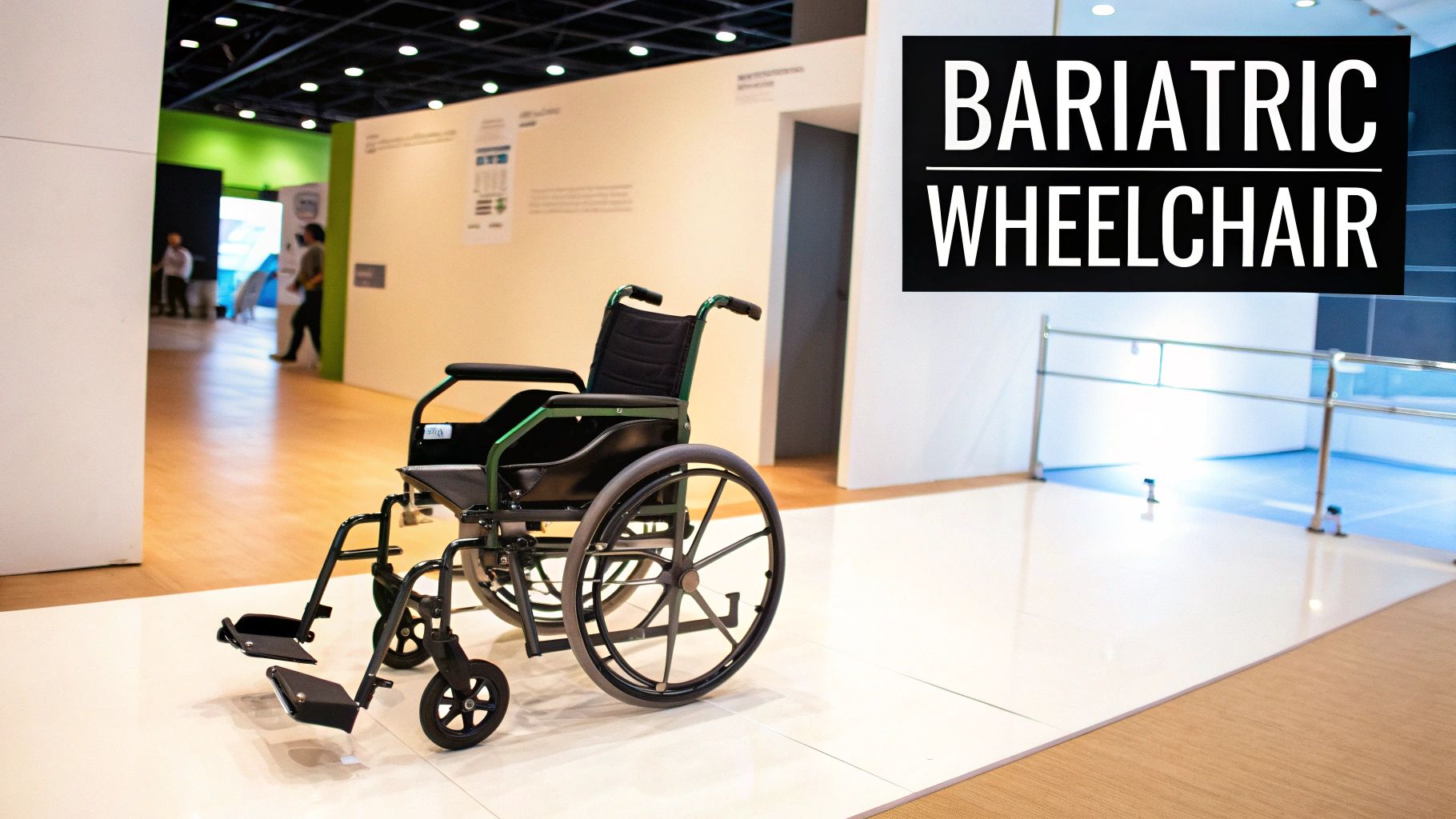
Think of it this way: a standard wheelchair is designed for the average user, typically maxing out around 250-300 pounds. A bariatric wheelchair is the heavy-duty equivalent, purpose-built for durability and a more accommodating fit.
It's all about providing a stable, secure base of support. Using a standard chair beyond its weight and size limits isn't just uncomfortable—it's dangerous. It can lead to frame failure, instability, and a serious risk of tipping.
The core purpose of a bariatric wheelchair is to deliver uncompromising safety and stability. Its robust design prevents the structural strain and potential tipping hazards that can occur when a standard chair is used beyond its intended limits.
Ultimately, this specialized equipment is about more than just mobility. It’s a crucial tool for maintaining independence and dignity.
Key Differences From Standard Models
The most significant differences boil down to construction and capacity. While a standard wheelchair is great for many, a bariatric model steps in when higher weight limits and a more generous fit are needed.
To make it simple, a quick comparison of the fundamental differences between bariatric and standard wheelchairs can be very helpful. These specifications are what make all the difference for user safety and comfort. Key features that distinguish a bariatric wheelchair include a weight capacity ranging from 400 lbs to over 1,000 lbs, a seat width of 22 to 32 inches or wider, and a heavy-duty steel frame, often with dual cross-braces for maximum strength. In contrast, a standard wheelchair typically supports 250–300 lbs, has a seat width of 16–20 inches, and is built with a lighter frame.
Every key component in a bariatric model is scaled up to handle greater demands. This ensures the user not only fits comfortably but is also properly supported.
Diving a bit deeper, here are the features that truly set bariatric wheelchairs apart, and you can learn more about these specialized market insights to see how the industry is evolving.
- Reinforced Frame: These chairs almost always use heavy-duty steel, often with dual cross-braces underneath the seat. This prevents the frame from flexing or breaking under a heavier load.
- Wider Seat Dimensions: A proper fit is crucial for comfort and posture. The extra width prevents pressure sores and ensures the user is secure, not squeezed.
- Higher Weight Capacity: This is the most obvious difference. They are rigorously tested and rated to safely support significantly more weight, giving peace of mind to the user.
These critical enhancements ensure that anyone, whether at home in St. Petersburg or out in the community, can move with confidence and security.
Taking a Closer Look at a Heavy-Duty Wheelchair
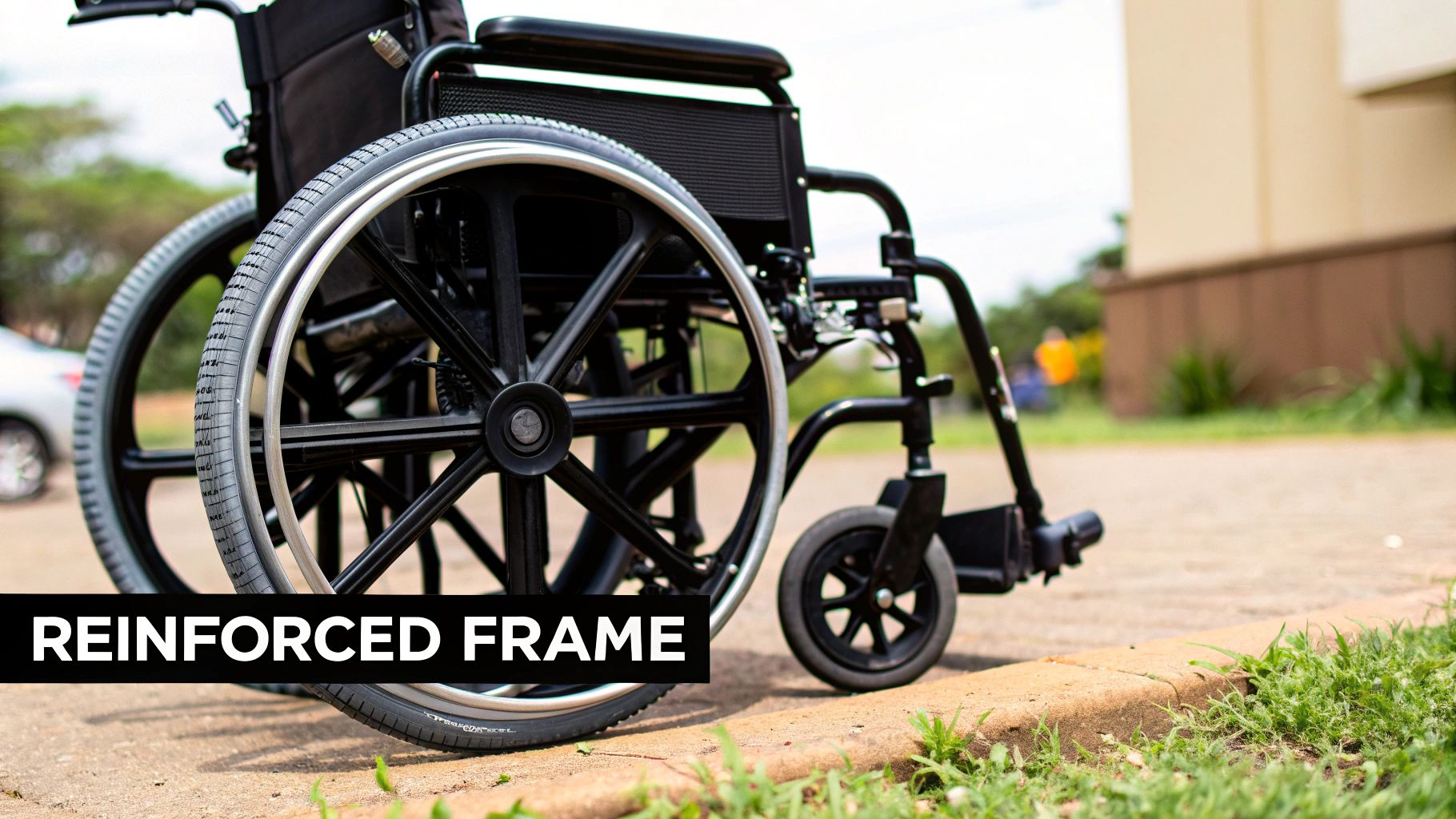
So, what really makes a bariatric wheelchair different from a standard one? At first glance, they might look similar, but the real distinction is in the engineering. Every single component is purposefully overbuilt to ensure safety, long-lasting durability, and genuine comfort for the user. It’s all about building strength from the inside out.
The frame is the backbone of the entire chair. On a bariatric model, you're not just getting a simple frame; you're getting a fortress. These are typically built from heavy-duty, reinforced steel, a material specifically chosen because it won't bend or give way under continuous stress. This rock-solid foundation is what makes the chair a truly dependable mobility solution.
Built on a Foundation of Strength
It's not just about the material, though. The design of the frame itself is a huge factor. A standard wheelchair might get by with a single cross-brace under the seat for folding. But bariatric wheelchairs almost always feature a dual cross-brace system. This creates a far more rigid and stable platform, spreading the user's weight evenly across the entire frame and dramatically cutting down the risk of structural failure.
This robust build is absolutely critical for getting around, whether you're on the smooth floors at home or navigating the sidewalks and ramps around Pinellas County. The frame is designed to handle the bumps and forces of everyday life without ever compromising its integrity. That means real peace of mind for both the person using the chair and anyone helping them.
At its core, the anatomy of a bariatric wheelchair is a testament to purposeful engineering. Every reinforced joint and heavy-duty component works in concert to create an unwavering platform of support, transforming mobility from a concern into a certainty.
Key Parts That Boost Safety
This focus on strength carries through to every part of the wheelchair that handles weight or provides stability. Each piece is scaled up and reinforced to manage the increased demands, resulting in a complete system designed for user well-being.
- Extra-Wide Seating: Spreading weight properly is key to preventing pressure sores and staying comfortable. Bariatric seats are much wider than standard ones, usually falling between 22 and 32 inches, which gives the user plenty of room and solid support.
- Heavy-Duty Wheels and Casters: The wheels are also built to take a beating. They often have stronger spokes and solid, puncture-proof tires that won’t buckle under a heavy load, making for a smooth, secure ride.
- Essential Safety Add-ons: Features like anti-tippers are often included right out of the box. These are small wheels attached to the back of the frame that stop the chair from tipping backward—a crucial feature when going up ramps or over uneven ground.
To really understand what a bariatric wheelchair is, you have to see how all these pieces fit together. From the beefed-up frame to the rugged wheels, every component is a vital part of a system engineered for one thing: unwavering reliability.
So, Who Really Needs a Bariatric Wheelchair?
Figuring out who needs a bariatric wheelchair is about much more than just a number on a scale. It’s about looking at real-life situations where a standard wheelchair just doesn't cut it, creating frustrating and often unsafe barriers to getting around. The right chair isn't just a piece of equipment; it's a key to independence and confidence.
Beyond Weight: Specific Health Scenarios
Think about someone who is recovering from bariatric surgery. This is a critical time when feeling stable and secure is everything. A heavy-duty wheelchair provides that solid, reliable base, taking away the worry of a fall and letting them focus on healing without being stuck in bed. The beefed-up frame and roomier seat give them the kind of support a regular chair could never offer.
We also see many people who have medical conditions that change their body's size and shape, like lymphedema. This condition can lead to severe swelling, especially in the legs, making a standard, narrow wheelchair seat not only uncomfortable but potentially dangerous. A bariatric chair’s generous width gives them the space they need, which is crucial for good circulation and preventing painful pressure sores.
It's About Getting Your Freedom Back
At the end of the day, the need for a bariatric wheelchair comes down to one thing: a person’s weight or body shape is making it hard to move around safely and live their life fully. This isn’t about being limited; it’s about finding the right tool to reclaim your freedom.
Just imagine wanting to go to a family barbecue or a doctor’s appointment here in Pinellas County. If your wheelchair doesn't fit you properly, those simple trips can be filled with stress and anxiety. A bariatric wheelchair that's sized correctly erases those worries. It gives you the stability to confidently handle different types of terrain, from a bumpy lawn to a slick clinic floor.
The real value of a bariatric wheelchair isn't just in its steel frame; it's in the confidence it gives back. It turns everyday tasks from overwhelming hurdles into manageable parts of your day, opening the door to more independence.
What truly matters are the practical, real-world results. With the right chair, people find they have:
- A much lower risk of falls, thanks to the sturdier build and smart anti-tip features.
- More freedom to handle daily tasks and get around their own homes.
- The confidence to say "yes" to social outings and community events again.
For some, a wheelchair is their main way of getting around. For others, it's a backup for days when walking is just too difficult. It's also important to remember that a wheelchair can be part of a larger mobility plan. If you also need a little help walking shorter distances, learning about other aids is a great idea. You can find out more about how walkers and rollators in St. Petersburg, FL can work alongside a wheelchair to give you the perfect tool for any situation.
How to Select the Right Bariatric Wheelchair
Picking the right bariatric wheelchair is a big deal. It’s not just about finding something that works; it’s about choosing a chair that supports your safety, comfort, and freedom every single day. The wrong fit can cause real problems, from poor posture and painful pressure sores to the simple frustration of not being able to move around your own home easily.
Think of it this way: the right wheelchair should feel like a natural part of you, not just a piece of medical equipment. To get there, we need to take a few careful measurements and think about where you'll be using it.
Start With Accurate User Measurements
Everything starts with the person who will be using the chair. Getting the seat dimensions right is probably the most crucial step for ensuring long-term comfort and proper posture.
- Seat Width: First, have the user sit down on a flat, comfortable surface. Take a tape measure and find the widest point across their hips or thighs. Now, add one to two inches to that number. This little bit of extra room is key—it prevents uncomfortable rubbing and pressure while still providing a secure, supportive fit.
- Seat Depth: Next, measure from the person’s lower back, along their thigh, to the back of their knee. You’ll want to subtract one to two inches from this measurement. This creates a small gap that stops the edge of the seat from digging into the nerves and blood vessels behind the knees, which can cut off circulation.
Nailing these measurements is the foundation of a good fit. It goes a long way in promoting healthier posture and dramatically cutting down the risk of skin breakdown from sitting for long periods.
Match The Chair To Your Environment
Once you know the user’s ideal dimensions, it’s time to measure the space. A perfectly comfortable wheelchair that can't get through your bathroom doorway is a major headache you don't need.
Grab your tape measure and walk through the house. Check the width of every single doorway and hallway the chair will need to navigate. Don’t forget to measure the narrowest points, like around door frames or tight corners with furniture.
It’s critical to compare these numbers to the wheelchair’s overall width, not just the seat width. The wheels and handrims stick out and add several inches, a detail that’s easy to overlook.
A common mistake is focusing only on the user's comfort while forgetting about the home's limitations. The right bariatric wheelchair is one that comfortably fits both the person and their living space, ensuring true mobility everywhere they need to go.
Taking a few minutes for this step can save you from the huge disappointment of realizing your new chair is too wide to get where it needs to go.
Confirm The Weight Capacity And Build
Finally, double-check the chair's weight capacity. This isn't a suggestion—it's a critical safety feature. You absolutely must choose a model that can safely support the user's weight with some room to spare.
A good rule of thumb is to pick a chair with a weight capacity that's at least 25-50 pounds higher than the user's current weight. This ensures the frame and components remain structurally sound over time.
Bariatric wheelchairs are designed specifically to handle these demands. With heavy-duty frames, reinforced casters, anti-tippers for stability, and breathable cushions, they are built to support users up to 700+ pounds. This robust construction is essential for safe transfers and comfortable use over longer distances.
This infographic highlights some of the common reasons why someone might need the extra support and durability of a bariatric wheelchair.
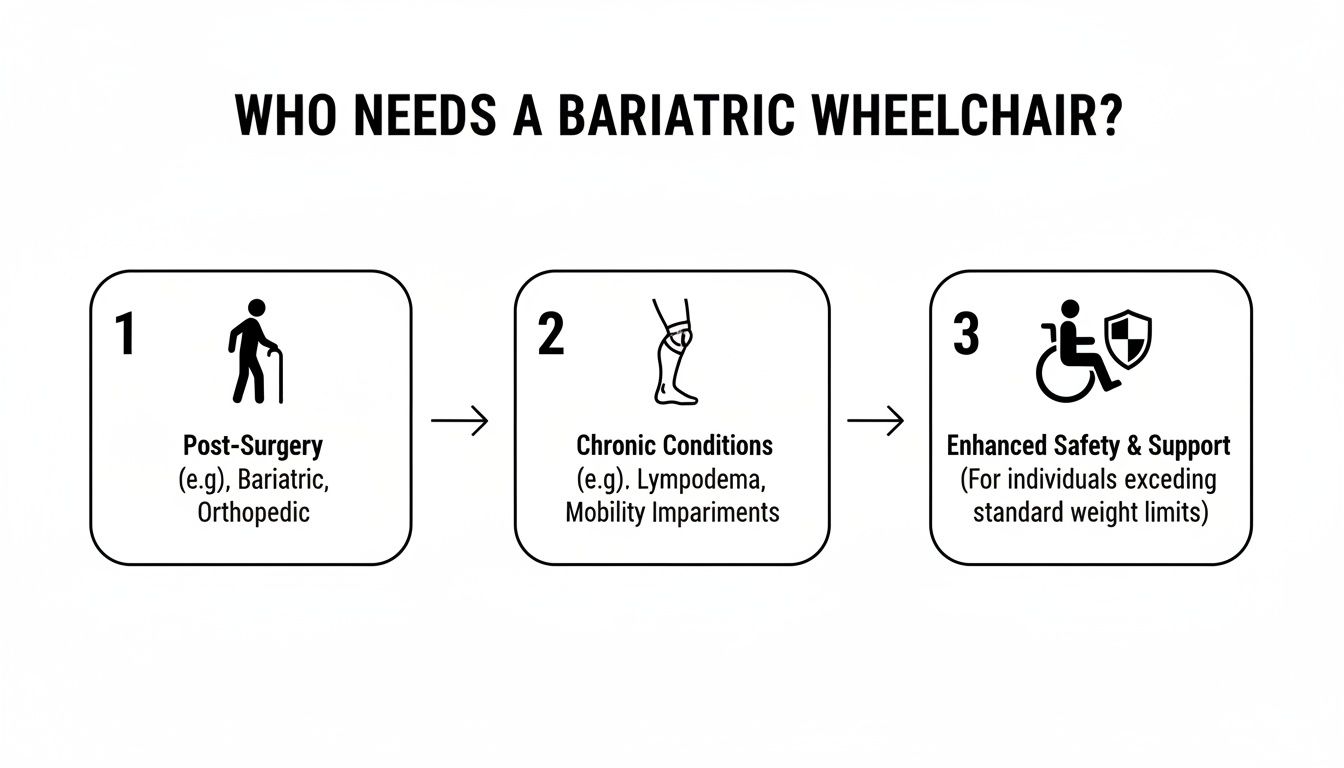
As you can see, the need often arises from specific situations, like recovering from surgery or managing a chronic condition where enhanced stability isn't just a preference—it's a necessity.
For families here in St. Petersburg, making these choices doesn’t have to be overwhelming. The team at Affinity Home Medical Equipment is here to walk you through the entire process, whether you're looking for a short-term rental or a permanent purchase. You can explore a wide variety of mobility solutions in our online shop to find the right equipment for your needs.
Renting vs. Buying in the St. Petersburg Area
Once you know a bariatric wheelchair is what you need, the next big question is how to get it. Here in Pinellas County, you’ve got two main paths: renting or buying. There's no single right answer—the best choice really boils down to your specific situation and how long you'll need the chair.
Renting is a fantastic, flexible solution for temporary needs. Think of it as a short-term tool. If you or a loved one is recovering from surgery, a rental can provide that crucial support for a few weeks or months without the big commitment of a purchase. It's also perfect for when family visits St. Pete and needs a reliable way to get around.
When Renting Makes the Most Sense
Renting is the go-to for any short-term situation where buying a large piece of equipment just doesn't add up financially. It gives you access to a top-notch bariatric wheelchair without the hefty upfront cost.
Consider renting if you find yourself in one of these scenarios:
- Post-Surgery Recovery: After an operation, you might need that extra support for a defined period while you heal.
- Hosting Visitors: You can make sure your guests are safe, comfortable, and mobile when they come to town.
- Trying Before You Buy: Not sure which model feels right? Renting lets you take it for a real-world test drive in your own home and neighborhood.
When Buying Is the Better Long-Term Option
On the flip side, buying a bariatric wheelchair is the smart move for anyone facing long-term or permanent mobility challenges. When you own your chair, it's always there when you need it, and it's already tailored to your exact measurements and lifestyle. It becomes a dependable part of your daily life, giving you consistent freedom and comfort.
The key is to match your choice to your circumstances. A short-term need almost always points to renting, while an ongoing mobility requirement makes buying the more practical and cost-effective solution over time.
At Affinity Home Medical Equipment, our goal is to make this process as simple as possible, whether you rent or buy. We believe in clear, upfront pricing for all our equipment. To keep things straightforward, we do not take insurance. This direct-to-you approach means no confusing paperwork or long waits for approvals—you just get the equipment you need, right when you need it.
As a local business, we can offer personalized fittings and even same-day pickup for models we have in stock. You can see all the flexible options available by checking out our St. Petersburg medical equipment rentals online or stopping by our showroom.
Essential Safety and Maintenance Practices
A bariatric wheelchair is a lot like your car—it needs regular attention to keep running safely and reliably. Skipping these checks isn't just a risk to your equipment; it’s a direct gamble with user safety. It’s about more than protecting an investment; it’s a fundamental part of providing care.
Taking just a few minutes each day or week to give the chair a once-over can stop small issues from turning into major failures. This simple habit brings invaluable peace of mind to everyone involved.
Your Quick Inspection Checklist
Before heading out, it's a great idea to run through a quick pre-trip inspection. Think of it as the same kind of safety check a pilot does before takeoff. This little routine is the single best way to make sure every journey is a safe one.
- Check the Brakes: The first thing to check, always. Make sure the wheel locks engage firmly and hold the chair completely still. They shouldn't feel loose or have any give.
- Inspect the Tires: Give the tires a quick look for any obvious wear, cracks, or damage. If they're pneumatic (air-filled), check the pressure. Properly inflated tires provide a much smoother and more stable ride.
- Examine the Frame: Scan the frame for any signs of stress, particularly around the welded joints and cross-braces. Tighten up any nuts or bolts that seem even a little bit wobbly.
Consistent maintenance is the bedrock of wheelchair safety. A simple daily check of brakes, tires, and hardware can prevent accidents and ensure the equipment provides reliable support when it's needed most.
Mastering Safe Navigation Techniques
Keeping the equipment in top shape is only half the battle. Knowing how to actually handle the wheelchair in the real world is just as critical. Navigating tricky spots like ramps or uneven ground requires specific techniques to keep things safe and stable.
When you're facing a ramp, the golden rule is to go up forward and come down backward. This gives you maximum control over the chair's speed and prevents it from getting away from you. On uneven surfaces like grass or a gravel path, use steady, deliberate pushes to keep the front casters from digging in and getting stuck.
Proper transfers are another non-negotiable safety skill. Before a user ever tries to get in or out, always lock the brakes. No exceptions. Get the chair as close as you possibly can to the bed, car seat, or chair to make the transfer distance short and sweet. These small details make a huge difference in preventing falls and building confidence.
For more details on local options, you can explore our guide to wheelchairs in St. Petersburg, FL rentals and sales.
Common Questions About Bariatric Wheelchairs
When you start looking into what a bariatric wheelchair is, it’s only natural to have a bunch of questions pop up. You might wonder about everything from fitting it through your door to the actual process of getting one. Having clear answers is key, so let's walk through some of the most common questions we hear from folks here in St. Petersburg.
Getting the right information from the start makes the whole process smoother and helps you feel confident in your choice.
Will It Fit Through My Home’s Doorways?
This is probably the most practical—and critical—question we get. Bariatric wheelchairs are built wider for stability and comfort, with total widths often falling between 28 to 34 inches. While most modern homes can handle that just fine, some of the charming older houses around here can have tighter doorways.
Before you make a decision, you absolutely have to measure your doorways, hallways, and any sharp turns in your home. Taking five minutes to do this can save you the major headache of realizing your new chair can’t get into the bathroom or bedroom. Our team can always help you find a model that works with your home's layout.
Do I Need A Prescription To Get One?
Nope! You do not need a prescription to rent or buy a bariatric wheelchair directly from our store. While we always think a doctor’s input is valuable for understanding your specific health needs, it’s not a hurdle you have to clear to get equipment from us.
This means you can come right into our St. Petersburg showroom, check out the models we have on hand, and even arrange to pick one up the very same day without waiting on paperwork.
Being able to get a bariatric wheelchair without a prescription gives people the power to get the help they need, right when they need it, taking down a common barrier to safe mobility.
What Is The Process And Cost For A Rental?
The cost of a rental really depends on the model you go with and how long you need it. We offer flexible daily, weekly, and monthly rates to fit whatever your situation is, whether it's for a short-term recovery or a temporary need. We keep our pricing clear and simple, without getting insurance involved. For the most up-to-date rental rates and to understand the process, just give our St. Petersburg store a call.
For more answers to common queries, please feel free to browse through our Frequently Asked Questions page.
For one-on-one advice and to see a wide range of mobility solutions, trust the local experts at Affinity Home Medical Equipment. Stop by our St. Petersburg showroom or look through our options online to find the perfect equipment to boost your safety and independence. Learn more at https://affinityhomemedicalequipment.com.
Share This Article

Written by : lori@netcodesign.com
Follow Us
Latest Articles

October 13, 2026

October 13, 2026

October 13, 2026
